



For too long, national politics has not reflected the communities of which it is made up.
In Parliament, there is still some way to go, but with 14% of MPs now coming from ethnic minority backgrounds, and 41% being women, we are on the path to more representative politics.
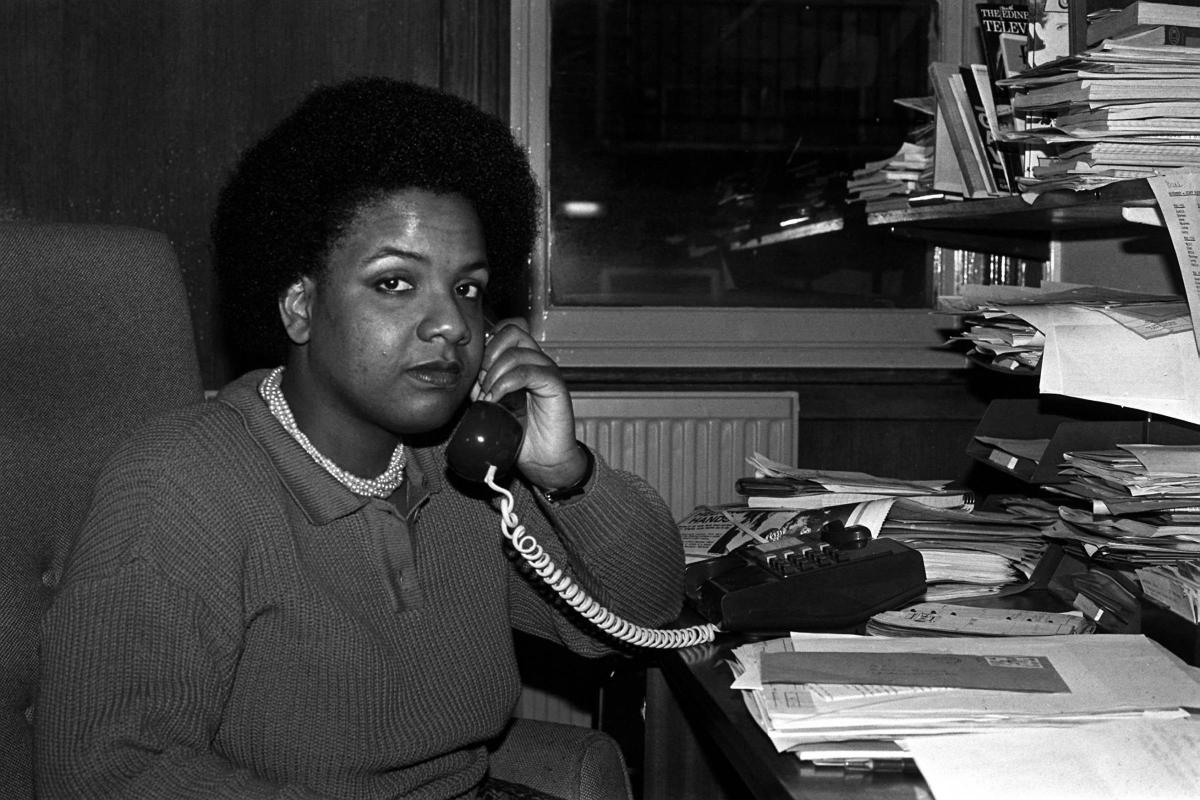
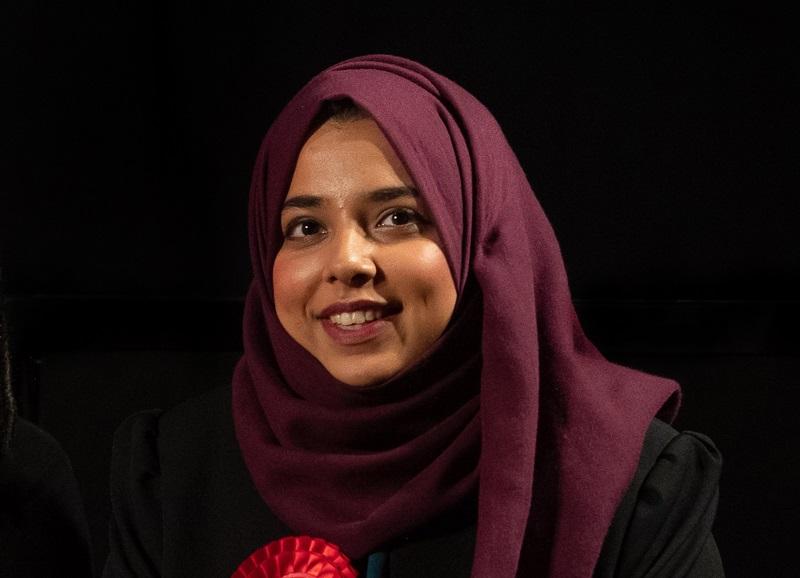
I am proud to be the first hijab-wearing MP, and I know that this would not have been possible without the longest-serving Black MP, Diane Abbott, being elected in 1987.
Many women of ethnic minority backgrounds have been able to follow her lead and understand that our democracy is strengthened by full and diverse representation.
We know that voters need to be able to relate to those deciding the laws that shape our lives and that lawmakers need to understand how society works.
The lived experience of women and those from racially diverse and working-class backgrounds matters when we can know how disastrous policy decisions have often been made by those detached from reality and dominantly graduates of ‘elite’ public schools.

The challenges of not bringing lived experiences into policymaking are obvious.
For instance, on the national debates around immigration policy, we may ask how many elected representatives have lived experience of the asylum system, or of trying to navigate punishing systems of welfare?
The answer is very few, if any.
As chair of the all-party parliamentary group on domestic violence and abuse, my experience as a survivor myself is a driving force in my role as a lawmaker.
Like survivor-led organisations, I believe that our lived experiences are not just a 'nice to have' in politics, but essential to ensuring the right laws are passed and to protect survivors.
This is why I am now campaigning to give survivors confidence and protection to stand in elections through the Representation of the People Bill – a bill which seeks to modernise electoral law.
My amendments to this bill seek to extend the disqualification orders so that survivors – like victims of other crimes, like criminal damage – know that a perpetrator will not stand against them.
My campaign has already gained the support of leading women’s rights organisations and MPs from almost all political parties in Parliament.
I am working hard to secure these in law when the bill returns to Parliament this September.
Because the voices of survivors need to be heard in politics and, indeed, shape our laws.
- Apsana Begum is Labour MP for Poplar and Limehouse.


Share